Introduction
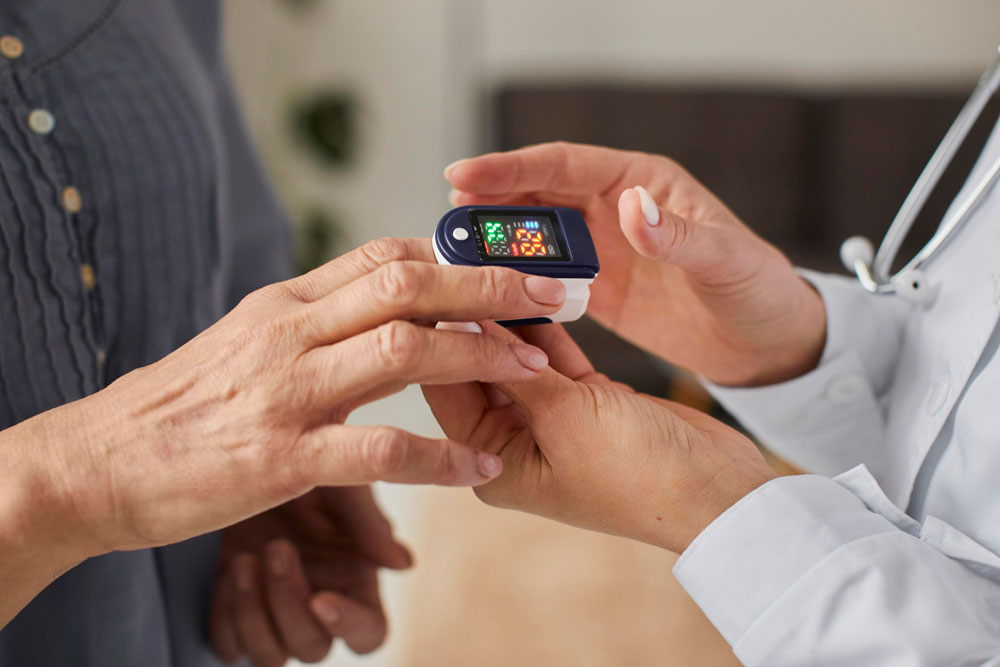
A pulse oximeter is a small, portable medical device that measures the oxygen saturation level (SpO₂) in the blood and the heart rate. It is widely used at home, in hospitals, and by patients with respiratory or cardiac conditions. This simple, painless, and non-invasive tool helps detect how well oxygen is being delivered to the body and is especially important for people with chronic illnesses, COVID-19, asthma, or lung diseases.
What is a Pulse Oximeter?
A pulse oximeter clips onto the fingertip, toe, or earlobe to measure the percentage of oxygenated blood. The normal oxygen saturation level for a healthy person is usually between 95% and 100%. Levels below 94% may indicate a need for medical attention, while readings below 90% are considered critical and require immediate intervention.
How Does a Pulse Oximeter Work?
Pulse oximeters use light sensors to detect oxygen in the blood.
-
The device emits light through the skin.
-
Hemoglobin in the blood absorbs different amounts of light depending on oxygen levels.
-
The oximeter analyzes this absorption and displays the oxygen percentage and pulse rate.
This quick and painless process provides real-time monitoring, making it an effective tool for both patients and healthcare professionals.
Types of Pulse Oximeters
-
Fingertip Pulse Oximeter – Most common, portable, easy to use.
-
Handheld Pulse Oximeter – Provides more accurate readings, often used in hospitals.
-
Wrist-Worn Oximeter – Continuous monitoring, ideal for sleep apnea or long-term use.
-
Tabletop Pulse Oximeter – Advanced device used in clinics and ICUs.
Benefits of Using a Pulse Oximeter
-
Monitors oxygen levels in patients with asthma, COPD, or pneumonia.
-
Helps track oxygen therapy effectiveness.
-
Detects early signs of hypoxemia (low oxygen in blood).
-
Useful during and after surgery for patient monitoring.
-
Essential for athletes to track performance and recovery.
-
Widely recommended for COVID-19 patients to monitor oxygen saturation at home.
Who Should Use a Pulse Oximeter?
A pulse oximeter is especially recommended for:
-
Patients with asthma or COPD
-
People with chronic lung or heart conditions
-
COVID-19 patients for oxygen monitoring at home
-
Athletes to track performance
-
Elderly individuals with respiratory problems
-
Patients undergoing oxygen therapy or surgery recovery
How to Use a Pulse Oximeter
-
Wash your hands and ensure the device is clean.
-
Clip the device onto your fingertip (or as instructed).
-
Stay still and wait for the device to stabilize.
-
Read the displayed oxygen saturation (SpO₂) and pulse rate.
-
Record results if needed for tracking.
Note: Nail polish, artificial nails, cold fingers, or movement may affect accuracy.
Safety and Maintenance Tips
-
Always follow the manufacturer’s instructions.
-
Keep the device clean and disinfect after each use.
-
Replace batteries regularly.
-
Store in a dry, safe place.
-
Do not use the device as a replacement for medical advice.
Conclusion
A pulse oximeter is an essential medical device that ensures accurate monitoring of oxygen levels and pulse rate. It provides early warning signs for respiratory issues, supports effective treatment, and is vital for patients with chronic illnesses, athletes, and elderly individuals. By using it regularly and correctly, you can protect your health, detect problems early, and improve your overall quality of life.